
The Friendship We Outgrew
Why Modern Friendships End in Silence Instead of a Fight
Most friendships do not end dramatically. They quietly fade while everyone pretends they are still intact.
In a world where connectivity reaches unprecedented heights, maintaining friendships has paradoxically become more complex. We scroll through social feeds witnessing countless moments of others’ lives, yet these digital glimpses create an illusion of closeness while masking growing distance.
The modern friendship landscape increasingly resembles a subway car during rush hour. We share space with familiar strangers, developing unspoken rituals and acknowledgements without ever bridging the gap to genuine connection. Our daily routines create peculiar micro-universes where we recognize faces, mirror movements, yet maintain careful distance.
We’ve begun sorting friendships into convenient containers. Workout friends, dog park acquaintances, parent-group allies. This compartmentalization serves as both coping mechanism and barrier, allowing surface-level connections while protecting us from the vulnerability true friendship demands. Yet this categorization might be the very thing preventing deeper bonds.
The most sneaky barrier to evolving friendships is our tendency to freeze people in time. We expect them to fulfill roles they played in our past while resisting their natural evolution. This resistance manifests in subtle ways. The casual dismissal of new interests. The unconscious resentment of shifting priorities.
Life stages diverge. The single friend gets married. The married friend has kids. The child-free friend changes careers. Each transition creates distance, not because anyone did anything wrong, but because the shared context that held the friendship together no longer exists.
We tell ourselves we’ll stay in touch. We make plans we don’t keep. We send occasional messages that go unanswered for weeks. The friendship doesn’t end dramatically. It just fades, slowly, while everyone pretends it’s still intact.
Request an AI summary
Learn more about the ideas and references behind this note.
FAQ
- Why do friendships fade even when nobody did anything wrong?
- Life stages diverge. Someone gets married, has kids, or changes careers. The shared context that held the friendship together no longer exists. Distance grows not from conflict but from the natural evolution of separate lives.
- How does social media create an illusion of closeness?
- Scrolling through someone's feed gives the feeling of staying connected, but these digital glimpses replace genuine interaction with passive observation. You witness their life without actually being part of it.
- What are some related topics to explore?
- adult friendshipsgrowing apartsocial media lonelinessparasocial closenessfriendship life stagesdigital connection vs real connection
Defined Terms
- Dunbar's number
- Robin Dunbar's proposed upper limit of roughly 150 meaningful relationships a person can maintain.
- Parasocial relationship
- A one-sided emotional bond with a public figure or fictional character who does not reciprocally know the person on the other side.
Foundations
- Why friendship and loneliness affect our health
- Dunbar, Annals of the New York Academy of Sciences, 2025
- Do parasocial relationships fill a loneliness gap?
- Harvard Health, 2024
Related Reading
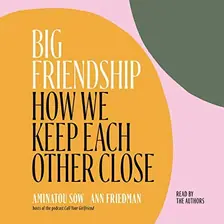
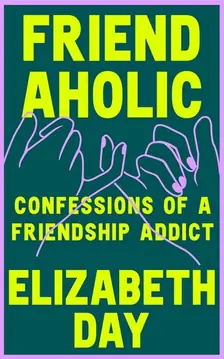
Related Notes
- The Architecture of Modern Loneliness
- A 2023 US Surgeon General advisory put chronic loneliness alongside smoking fifteen cigarettes a day. The architecture that used to hold strangers together did not collapse. It was redesigned out of the floor plan.
- The Humans Have Left the Building
- Public forums emptied out while bots moved in. The last genuine argument, the last mind actually changed, nobody marked the moment the room went quiet.
- The Economics of Exhaustion
- The alarm goes off at a number the body never agreed to, and we call the result a personal failing. Social jetlag, the daily gap between biological time and the schedule imposed on it, is near universal and quietly expensive. Some economies lose almost three percent of GDP to being tired.